
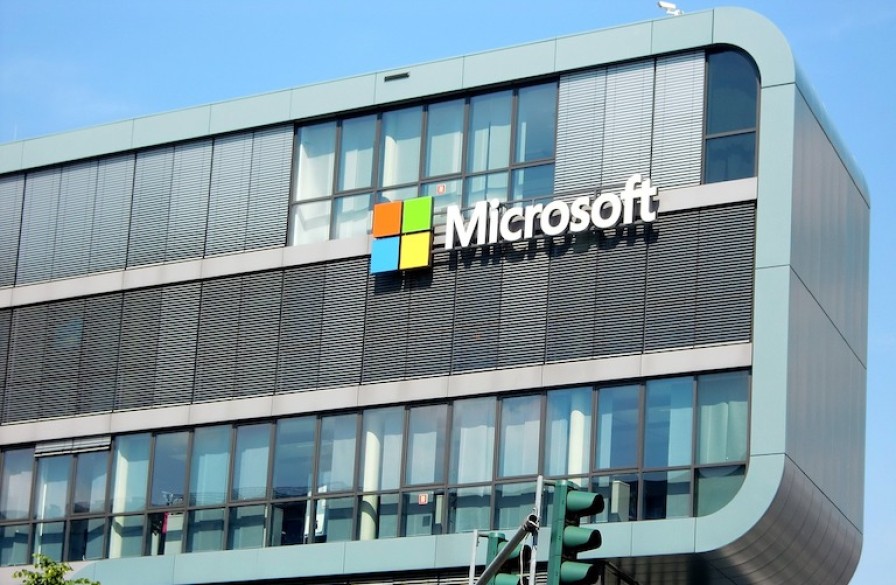
We recently noticed that some emails we've sent out have been bounced by email accounts managed using Microsoft domains.
Email accounts accessed through Outlook, as well as any Hotmail, Microsoft Live, or MSN email addresses, are what’s being affected.
Microsoft’s filtering system is acting unexpectedly aggressively. There’s no problem with your SiteHost account, there’s no problem with our email sending system, and there’s no problem with the emails we’re sending.
It’s a Microsoft issue, and it’s affecting companies using email scheduling tools.
Not just affecting us
Campaign Monitor is the tool we use for scheduling and sending out emails.
For the last few weeks, anyone sending emails through Campaign Monitor—a popular email automation platform used by lots of companies—occasionally had emails bounced by Microsoft. Some of our emails were affected as a result.
On Campaign Monitor’s status page they explain that it’s not a problem specific to Campaign Monitor users:
This is a receiver-side issue on Microsoft's end and is being seen industry-wide, with multiple email providers reporting the same behaviour.
Campaign Monitor marked the issue as RESOLVED and, according to their latest status update, emails directed at Microsoft addresses now bounce as often as any other address.
It’s difficult for us to know how often our emails are, or were, getting bounced, but we thought it's worth mentioning in case it does happen again.
Campaign Monitor’s reporting of the incident included fluctuations as things changed at Microsoft’s end. We can’t say with any certainty that this issue is permanently solved and won’t re-emerge.
Using Microsoft for email? Our emails may not be reaching you
If you’re using a Microsoft email product to access your emails, whether it’s a Hotmail email address, Office 365 or Outlook email clients, or something else, there’s a chance that some of our email communication to you could have been missed.
We try to minimise the amount of emails we send you, which means we only send emails that we think are important. This can include maintenance notifications, replies from our support team, and two-factor authentication (2FA) codes to access your account.
It’s a problem when these emails aren’t reliably landing in your inbox.
2FA emails are too important to miss
Missing 2FA email codes is particularly concerning.
Earlier this year we made 2FA compulsory for all SiteHost users. There are many malicious people and machines out there who want to compromise your SiteHost account. It’s an effective security measure for keeping out criminals.
Back when you first set up 2FA on your account you had the choice of receiving 2FA codes either via app or via email. Without these codes, your account can’t be accessed.
Receiving 2FA codes via email becomes problematic when emails aren’t coming through to your email client at all—which is exactly what’s been happening for some customers using Microsoft email products.
The issue does seem to be solved for now, but we don't know if and when it could happen again.
Regardless of your email setup, you can switch to using app-based 2FA and receive 2FA codes through an app like Authy or Google Authenticator.
To change your account’s 2FA settings:
Log in to the SiteHost Control Panel.
Select the
Accounttab on the left of the screen.Select
TWO FACTOR AUTH.Click
Change 2FA Methodand follow the instructions to switch to app-based 2FA.
Only sometimes happening, and only to some people
This aggressive filtering specifically affects Microsoft-related email products. If you’re not using any, you can disregard this.
Even if you are using Outlook or a Hotmail account, you’ll likely still be receiving our emails without any problems. We just want to give you a heads up about an issue that some customers reported, and let you know that it could happen to you—although it’s unlikely.
If you’re unsure if you’ve missed an email from us, don’t hesitate to get in touch.